The Discovery and Innovation Award
Western New York BloodCare (WNYBC) is proud to launch our Discovery and Innovation Award 2026!
This program has been established to promote, nurture and amplify scientific discovery and innovation in Western New York and the region. The WNYBC Discovery and Innovation Award will support basic, translational, and/or clinical research projects that will improve health outcomes, health equity, and/or preventing complications of hemophilia and/or hemostatic or thrombotic disorders.
The program invites proposals from higher education institutions and non-profit organizations that have a history and track record of serving the community of bleeding and clotting disorders. There is no age requirement, however, applicants must have an MD, PhD or equivalent; clearly state they have both independent research projects and independent resources; and have preliminary results/and or publications from their independent laboratory.
Grant Application Details
Budget must not exceed $150,000/year, for up to three years. Up to two grants will be awarded annually.
Deadline for emailing LOI to mwiseman@wnybloodcare.org is
Friday May 1st, 2026, 11:59pm Eastern
Please direct questions to mwiseman@wnybloodcare.org
FULL APPLICATION DUE DATE: July 15, 2026
GRANT START DATE: January 1, 2027
Read application online
Western New York BloodCare (WNYBC) was founded as the Hemophilia Center of Western New York (WNY) in 1969 and is now the region’s premier Hemophilia Treatment Center. We specialize in state-of-the-art diagnostic, clinical, and pharmaceutical services, as well as research, advocacy, education and community outreach — all to provide the most comprehensive, compassionate, and complete care possible. We are proud to have served patients and their families across WNY’s eight counties for more than 50 years.
- Mission: To foster collaboration and knowledge-sharing, harness local expertise to make meaningful, impactful, and intentional use of funding to support basic, translational, clinical, health equity, outcomes, and public health research at a local, regional, and national level.
- Vision: To improve health outcomes and prevent complications of hemophilia and other complex hemostatic and thrombotic disorders, by creating an interdisciplinary program of research, integrated interprofessional training and clinical care for all.
This program has been established by the WNYBC Research and Training Initiative (RTI) to promote, nurture, and amplify scientific discovery and innovation in Western New York and the region (HRSA Region II). The WNYBC Discovery and Innovation Award will support basic, translational, and/or clinical research projects that will improve health outcomes, health equity, and/or prevent complications of hemophilia and/or hemostatic or thrombotic disorders, including:
(a) joint disease
(b) inhibitor formation
(c) Hepatitis C and/or HIV disease
(d) perinatal hemostasis
(e) complications of bleeding disorders
(f) new technologies for diagnosis/therapeutics
(g) novel therapeutics
(h) women with bleeding disorders
(i) von Willebrand disease
(j) thrombophilia
(k) models of care as it pertains to bleeding and clotting disorders, and other diagnoses as designated by the Health Resources & Services Administration (HRSA).
Eligibility: The program invites proposals from higher education institutions (public/state controlled, private), and non-profit 501(c)(3) organizations that have a history and track record of serving the community of bleeding and clotting disorders. Principal Investigators/Program Directors (PI/PDs) who may apply are any individuals with the skills, knowledge, required resources, and who can apply through their organization. There is no age requirement, however, applicant must have an MD, PhD, or equivalent; clearly state they have both independent research projects and independent resources; and have preliminary results/and or publications from their independent laboratory. This Award is open to candidates conducting research at a U.S. based not-for-profit institutions by the start date of the award. Priority is given to applicants within HRSA Region II.
Grant amount: Budget must not exceed $150,000/year, for up to three years (totaling $450,000). Up to two grants will be awarded annually.
WNYBC AI Use
- Grants and applications are considered confidential. Therefore, WNYBC will not analyze any submissions using any AI tool. We may use AI to summarize reviewer comments; however, individual grants will not be put into any AI models.
- All submission reviews and readings will be done by WNYBC staff and peer reviewers.
Additional Information
- AI is a public forum, and your ideas are not confidential if using AI. Please enter any proprietary or confidential information into AI tools with caution and in compliance with your institution’s privacy rules. It is recommended to turn off settings “sharing” or “adding to the model” to avoid disclosing confidential information.
- The accuracy of submissions and legal ownership of Intellectual Property (IP) are the responsibility of the applicant. Applicants must ensure they own the rights to all IP they have disclosed in AI.
**THIS RFA ENTAILS A TWO-STEP PROCESS**
Letter of Intent (LOI) Guidelines: A Letter of Intent is required in advance of full application submission and must include the following:
- Primary Investigator’s name, title, position, and institution
- Lay summary (75 words)—some of our reviewers are patients and patient advocates
- Abstract summary (75 words)
- Abstract (2000 words)
- NIH-style Biosketch
All five documents must be combined into one PDF and emailed to mwiseman@wnybloodcare.org with the subject line:
Last name, first name: 2026 Discovery and Innovation Award LOI
The LOI submission deadline is Friday, May 1, 2026.
*** In fairness to all there will be no exceptions to this deadline. ***
A team of advisors will review LOIs to determine the strength of each submitted proposal and alignment with the WNYBloodCare mission. You will receive notification in June 2026 indicating if you have been selected to advance to the next stage of application. Approved applicants will then be invited to submit a full application.
****************************************************************************
Investigators who are invited to submit full applications requesting support through this program will have their proposals reviewed by the Research Committee of WNYBC RTI on an annual basis. Priority will be given to applications that:
- Have a high likelihood for success in terms of significant impact on individuals with Hemophilia and/or hemostatic and thrombotic disorders;
- Provide training opportunities for physician scientists and biomedical researchers;
- Promote diversity and include collaborative efforts with a Hemophilia Treatment Center.
The administrative overhead should not exceed 10% of requested funds. The PI salary request should be for less than 5% effort. The funds should not be requested for capital improvement, payment of rents, construction, or paying monthly bills. By accepting support from this program, PIs will commit to present at an annual symposium organized by the RTI and submit six-month progress reports. This symposium will be an outreach to leading experts in hemostatic/thrombotic disorders and patients and their families. PIs also agree to acknowledge the financial support in their meeting presentations and publications. The duration of the proposal is for three years contingent upon meeting progress metrics (reviewed by Research Committee) such as publications in leading peer-reviewed journals and presentation at national and international conferences (i.e., Thrombosis and Hemostasis Society of North America, ASH). In select cases, revisions of applications responding to critiques will be permitted.
Timeline for Research grant process:
- Call for Proposals sent out: April 1, 2026
- LOI due: May 1, 2026
- Invitations to submit full proposal by June 1 2026
- Full Application due: July 15, 2026
- Review of the proposals: September 2026
- Decisions/approval: Fall 2026
- Award Letters: Late Fall 2026
- Grant start date: January 1, 2027
- 6 month Progress Report due July 1, 2027
- 1 year Report due: January 7, 2028
- 5 year Progress Report due July 1, 2028
- 2 year report (for multi-year awards): Jan 12, 2029
- 5 year Progress Report due July 1, 2029
- 3 year report (for multi-year awards): Jan 11, 2030
General guidelines:
Document Format: Arial or Calibri font, size 11; single or 1.5” spacing, 0.5 inch margins all around.
Submission Guidelines:
- Cover Page
- Title of Project
- Institution
- Principal Investigator
- Contact information for Primary contact
- A brief paragraph describing how this research will have a significant impact on improving health outcomes and/or preventing complications for individuals with Hemophilia and/or hemostatic and thrombotic disorders.
- Lay summary (75 words)—some of our reviewers are patients and patient advocates
- Lab focus of Research
- Proposal of specific program for which finds are being requested
- Introduction (2 pages)
- Specific aims (1 page)
- Discovery and Innovation: Describe more fully how this research will have a significant impact on individuals with Hemophilia and/or hemostatic and thrombotic disorders; provide training opportunities for physician scientists and biomedical researchers; and promote diversity and collaborative efforts with a Hemophilia Treatment Center (1 page)
- Project Plan (2-4 pages)
- Timeline (1 page)
- Project budget and amount being requested from WNYBC
- Funds may be used for salary, supplies, equipment, or technical assistance.
- What other funding sources are currently in place for this project? What other funding sources are being pursued? If this funding request will supplement a proposal already in consideration or awarded by any other sponsor, give details on that funding including abstract and a paragraph discussing how the proposed request will not overlap with other sponsored funding.
- Attach a biosketch (NIH format) for key personnel and optional for additional personnel.
- Letter of reference from institution.
- Optionally, you may include reports, and/or papers related to your topic of submission.
- Statement about any potential biohazards describing the safeguards used to prevent such hazards to the investigator, other personnel and or any other individuals
- WNYBC assumes no responsibility or liability for any such biohazards and shall be held harmless from the results of the use of any such biohazard material
- To aid with the Review Process, please supply the names and contact information for up to three (3) potential reviewers, and (optional) the names of up to three (3) people you would prefer not review your submission.
- Combine into one PDF in the order listed above (with your name and contact information as a footer on all pages) and email to mwiseman@wnybloodcare.org. All materials must be received in a single document, in a single email by July 15, 2026, 11:59pm.
Required Acknowledgements: Western New York Blood Care must be acknowledged when presenting data from any WNYBC funded project including oral presentations, poster presentations, journal manuscripts, and publications.
Compliance: The Research Committee will track funded projects to assure compliance with IRB/IACUC requirements.
Review Panel: The Review Panel includes Scientific Reviewers who are members of the WNYBC Advisory Board. These individuals hold expertise, both medical and scientific, in the field of blood disorders and will conduct a thorough review process to determine the merits of each submission.
Please direct further questions to mwiseman@wnybloodcare.org
QUESTIONS? Check out our Frequently Asked Questions.
Additional Questions about the application?
Contact Marci Wiseman, Grant and Award Administrator at mwiseman@wnybloodcare.org
FAQ
Is there a LOI (Letter of Interest) required prior to submitting my full application?
Yes. Letter of Intent (LOI) Guidelines: A Letter of Intent is required in advance of full application submission and must include the following:
- Primary Investigator’s name, title, position, and institution
- Lay Summary (75 words)
- Abstract summary (75 words)
- Abstract (2000 words)
- NIH-style Biosketch of PI
All five documents must be combined into one PDF and emailed to mwiseman@wnybloodcare.org with the subject line: Last name, first name: 2026 Discovery and Innovation Award LOI
The LOI submission deadline is Friday, May 1, 2026, 11:59 pm eastern. *** In fairness to all there will be no exceptions to this deadline. ***
Is the Discovery and Innovation Award available internationally?
This Award is only open to candidates conducting research at a U.S.-based not-for-profit institution by the start date of the award.
I am not familiar with the NIH-style biosketch, is there a template I can use?
The template for the NIH-style biosketch can be found here: https://grants.nih.gov/grants/forms/biosketch.htm
Something crazy happened! Can I get an extension on the deadline?
We are truly sorry for that inconvenience but, no you cannot get an extension on the deadline for ANY reason.
How will I know that my Application was received?
Upon emailing your Application, you will receive a confirmation email. Please keep this email for your records. If you do not receive this email within 72 hours of submitting your application (excluding weekend and holidays) , please check your spam/junk folder, and if still nothing, contact mwiseman@wnybloodcare.org or leave a message at 716-896-2470 ext. 4031.
When is the start date of the award?
January 1, 2027.
Can my figures and graphs be included as appendices to the application
Yes images and figures may be included.
Can the budget include postdoctoral students and graduate students under personnel?
Yes. But we only cover salary or stipends, not tuition.
Under personnel in the budget, can fringe benefits be included as well as salary?
Yes.
Are indirect costs allowed?
The administrative overhead should not exceed 10% of requested funds. The PI salary request should be for less than 5% effort. The funds should not be requested for capital improvement, payment of rents, construction, or paying monthly bills.
Can there be more than one PI?
No, but we will allow for co-Investigator and Collaborators. The award will only be made to one person.
I have a co-Investigator/Collaborator on my project. Should I have them write a letter of collaboration?
You should list them on your application, ask them to write a letter of commitment and include their NIH-style biosketch.
Can I include a manuscript with my application that has not yet been accepted for publication?
No, you can only include it if it has been accepted for publication but has not yet been published. We will remove manuscripts from your application should they not meet this criteria, so please indicate where the manuscript has been accepted and the anticipated publication date.
Do I need to include IRB/Animal Use Committee approval with my application?
No, but if your application is recommended for funding you must provide it prior to the start date of the award.
Is it ok if my letters of reference come in after the deadline?
We prefer that the letters arrive by the deadline.
I already have an award, how can I find out about reporting requirements/no-cost extensions/rebudget/other administrative issues?
See 4B under Submission Guidelines.
Is the total amount for the Discovery and Innovation Award $150,000 per year for three years, or for up to three years?
It is $150,000 a year for three years, with a total of $450,000.
I am beyond the Early Career or Young Investigator stage, am I still eligible to apply?
Yes, we welcome applicants at ALL career stages!
Are MD/PhD students eligible?
Yes.
Are there citizenship requirements for your programs?
There are no citizenship requirements.
Can I apply if I work at an institution housed outside the United States?
No.
Will my application be automatically disqualified if I don’t include any Reviewers?
No, it is optional, but it is to your advantage to help us have the best qualified scientific advisors on our team.
What is the deadline for your submissions
May 1, 2026, 11:59 pm eastern is the LOI Deadline. If your Project is selected to move forward, you will be notified by June 2026. Full applications will be due July 15, 2026, 11:59pm (EST). Notifications should go out by late fall, and the Project start date is January 1, 2027.
Is there a policy on the use of AI?
Yes
- Grants and applications are considered confidential. Therefore, WNYBC will not analyze any submissions using any AI tool. We may use AI to summarize reviewer comments; however, individual grants will not be put into any AI models.
- All submission reviews and readings will be done by WNYBC staff and peer reviewers.
- AI is a public forum, and your ideas are not confidential if using AI. Please enter any proprietary or confidential information into AI tools with caution and in compliance with your institution’s privacy rules. It is recommended to turn off settings “sharing” or “adding to the model” to avoid disclosing confidential information.
- The accuracy of submissions and legal ownership of Intellectual Property (IP) are the responsibility of the applicant. Applicants must ensure they own the rights to all IP they have disclosed in AI.
I won the Award! Will I receive a W-2 or some type of tax document to use when I file my taxes?
We do not provide any documentation for tax filing. You should check with the IRS or your tax-preparer to determine the best way to declare the Award.
Can I apply again if I have already won this award?
Yes.
Can I resubmit my original project that won the Award?
Yes – IF your project has evolved. You must include a dedicated section of how the previous funding supported the development for your new proposal, and how the new project seeks to further advance the preliminary findings.
Discover Funded Researchers
2025 Inaugural Discovery and Innovation Awards

Pavan K. Bendapudi, M.D.
Hematologist, Assistant Professor of Medicine
Harvard Medical School
Role of the Rare Variant Space in Genetic Regulation of von Willebrand Factor:
Von Willebrand factor (VWF) is an essential plasma clotting protein, and patients with low circulating VWF are at increased risk of hemorrhage. Our project plans to employ the latest genomics techniques and large-scale cohorts from the general population to identify new genes involved in controlling VWF levels in the body. This will help improve health outcomes by identifying new drug targets, improving interpretation and clinical decision making around genetic testing, and creating a foundation for future research.
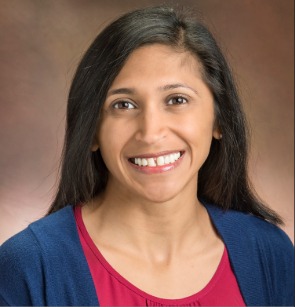
Bhavya Doshi, M.D.
Assistant Professor
Emory Children’s Center, Atlanta Georgia
Impact of non-factor therapies on the humoral immune response to factor VIII:
Inhibitors against factor VIII (FVIII) develop in ~30% of people with severe hemophilia A, usually within their first 20 exposures. High-titer inhibitors make FVIII ineffective and increase morbidity. Non-factor therapies help prevent bleeding, but patients still need FVIII for surgery or breakthrough bleeds. This study explores how limited, inflammation-related FVIII exposure during these episodes affects inhibitor development. By analyzing patient samples and mouse models, we aim to guide personalized treatment strategies to reduce inhibitor risk.

Seema Patel, Ph.D.
Emory Children’s Center
Atlanta Georgia
2024 Inaugural Discovery and Innovation Awards
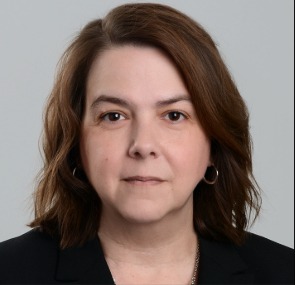
Jessica L. Reynolds, PhD
Associate Professor of Medicine
Jacobs School of Medicine and Biomedical Sciences, University at Buffalo
Thrombo-inflamma5on drives Venous thromboembolism (VTE) in Pa5ents with HIV (PWH) on An5-Retroviral Therapy (ART):
This project investigates how HIV-1 associated lipodystrophy and antiretroviral therapy contribute to venous thromboembolism risk in people living with HIV. Using in vitro endothelial cell models, we examine the roles of viral proteins, lipids, and endothelial dysfunction in promoting thrombosis. By identifying biomarkers such as microRNAs and lipid peroxidation products, this study advances understanding of cardiovascular complications in HIV and supports the development of targeted strategies to reduce thrombotic risk and improve long-term clinical outcomes.

Dr. Supriya D. Mahajan, PhD, MPH
Associate Professor of Medicine
Jacobs School of Medicine and Biomedical Sciences, University at Buffalo

Iva Pruner, PhD
Postdoctoral Scientist, Kerlin Lab
Nationwide Children’s Hospital, Columbus OH
Development of a semi-automated new assay for measurement of factor XIII transglutaminase Activity:
This project develops a novel, sensitive assay to measure Factor XIII (FXIII) activity using a biotinylated α2-antiplasmin–based detection system and fluorescent microspheres. By directly quantifying FXIII-mediated crosslinking, the assay aims to improve detection of reduced or dysfunctional FXIII activity that may be missed by current methods. The goal is to provide a more accurate, scalable tool for research and potential clinical assessment of bleeding and thrombotic disorders.
2023 Inaugural Discovery and Innovation Awards
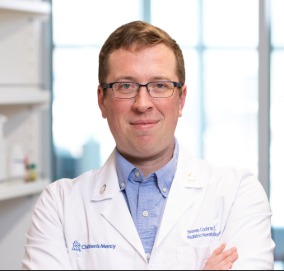
Thomas Cochran, MD
Hem/Onc Hospitalist
Children’s Mercy Kansas City
Exploring Inflammatory States Related to Factor Deficiency and the Influence on Hepcidin and Iron Homeostasis in Children with Hemophilia:
Our study investigating chronic inflammation and the potential association with iron deficiency in children and young adults with hemophilia A and B may provide valuable insights that could improve the quality of life and reduce burden of disease. As we continue to analyze biomarkers of inflammation and iron metabolism, we will better understand how to best identify and treat some of the complications of hemophilia that are gaining more recognition.

Sriram Neelamegham, PhD
UB Distinguished Professor
University at Buffalo, State University of New York
Role for glycans in regulating thrombosis and hemostasis:
The project studies how glycosylation impacts thrombosis and hemostasis, with some emphasis on how von Willebrand factor glycosylation regulates its half-life. Specific outcomes will be: (i) development of a method to characterize the blood plasma glycome; (ii) description of how the human blood plasma glycoproteome is modified during human diseases and in response to drug treatment; and (iii) determination of how this knowledge can be leveraged to develop new therapies.